The Anti-Slop Thesis
The Anti-Slop Thesis
May 2026
It’s harder today than ever before to cut through the noise as a content creator. Attention spans have waned while the optionality of “what do I watch now” feels infinite. And as AI video has become more prevalent, the total supply of content continues to proliferate. We’ve gone from weird, niche, and one-off in AI video, to realistic, cost effective, and efficient (and sure, some of it is still pretty weird). If it’s not quite mainstream today, it’s clear we’re headed that way. What happened in the last year? The models (Google Veo 3.1, Runway Gen-4.5, Seedance 2.0, open source models from around the world) have gotten really good. Most of the content we see is still in sub-3 minute increments, often in 15-60 video clips that have flooded social media.
Beyond the AI hype, the content upload velocity on YouTube has exploded to 20 million videos uploaded daily. More time is being spent inside Fortnite and Roblox, with the latter reaching nearly 3 hours per day per DAU. It feels like every major sports league is breaking viewership and ratings records. And now there’s more AI content flooding the collective internet, not less.
But here’s the question if you’re a creator with digital distribution: at a time of content abundance, how do you actually build a durable media business? What we’re publishing today is focused on the themes and characteristics we’re excited about in creator businesses even against the backdrop of unlimited options for viewers and the explosion of AI video. We’re bullish on trust and community, unscripted human moments and building offline. And while scale is compounding in the YouTube ecosystem, there’s going to be more opportunity to differentiate yourself, cut through the noise, and build something that lasts.
Themes we’re excited about:
1. Trust via Personality-Driven Formats
In an environment where anyone can generate 4K footage, the barrier to entry for high-quality visuals has collapsed. But visuals and fidelity aren’t drivers for deep engagement and affinity. We still believe the creators who win combine a distinct point of view with real domain expertise. These creators can curate recommendations and build trust within specific categories, which eventually allows them to cut through the clutter (whether it’s a ChatGPT search result or random slop on TikTok). There is significant opportunity in going deep on specific topics within a vertical or where there are fervent audiences.
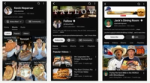
For example, in the culinary world, creators like Jack’s Dining Room, HowKevEats, and Fallow have become arbiters of taste. Their value lies not just in the visual appeal of food, but in their journey to different cities, conversations with restaurant owners and back-and-forth when making awesome pancakes. And each has expanded beyond content in unique ways: Jack with a high end dining series + festivals, Kevin with the Biter app, and the Fallow team have restaurants of their own. These creators are building a modern, direct-to-consumer version of the Food Network or Anthony Bourdain’s tv series.
In technology, Marques Brownlee (MKBHD) is still the gold standard. He combines high production value with a direct and approachable tone when reviewing the latest gadgets (phones, cars, glasses). He’s cemented himself as the go-to creator in this category. You can find reviews about tech-enabled products tons of different ways, but when MKBHD speaks on a product, millions of people listen. He’s done this by avoiding brand partnerships that would feel like it could sway his opinion, gaining access to certain products in advance of wide releases (driving must-see content to his channel) and providing unique context to product releases and technology shifts.
Community is still at the center of what makes content special, especially on YouTube. It probably deserves more attention. The connection between a creator and their audience is something AI struggles to replicate. Creators have to offer something only they can: distinct personality, expertise, or both. That’s what builds trust. And once trust exists within the community, it opens the door for collaborations with other creators / celebrities that make the content even better. Each of the creators above has done this: earned trust with their community, then used it to team up in meaningful ways.
2. Un-summarizable Content
I heard Colin & Samir talking about this idea: if your YouTube video can be summarized by AI-model-of-choice and the viewer is indifferent, you are in trouble. Creating genuine entertainment and emotional value are at a premium.
Consider Sean Evans and Hot Ones. It’s the modern day talk show for celebrities, athletes, creators, etc. Sean is a masterful and prepared interviewer, but the format works not because of the interview Q&A alone, but there’s some magic in watching the guest struggle through the spice, in-depth questioning, uncontrollable facial emotions, etc. You don’t see celebrities have genuine reactions like this in any other setting! The vulnerability, panic, anxiety and humor make it must-watch. In sports, Bryson DeChambeau’s Break 50 series thrives on the chemistry of a two-person golf scramble. There’s a much longer thread on why Golf and YouTube are an amazing marriage. And this format that Bryson’s chosen is an amazing “lean back” experience with unscripted back and forth, epic golf shots and a really unique take on sports content.
These two and their teams have cracked something where conversations need to be consumed on video. If you are just providing information or utility, you can be replaced by AI. But if your personality or video “hooks” are superior to the information itself, you can’t be replaced. The algorithm goal-seeks for viewer satisfaction: when you combine multiple attractive inputs across valuable insights, utility, personality, and presentation, you’re likelier to find audience. We’re bullish on content that relies on human chemistry, comedic timing, and physical presence - we think these characteristics will allow creators to form more durable, net new IP in a crowded ecosystem.
3. Bottom-of-Funnel and Offline Businesses
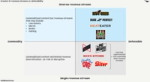
At some point in the not-so-distant future, the rapid increase of net new content (with AI Video improvements as a catalyst) will create downward pressure on views, RPMs, etc. So as a creator, your content revenue equation might change drastically in the next few months and years. You need to prepare for a version of that reality. Enter “bottom-of-funnel” and offline businesses. These are an extension of what you’ve built as a creator, but your audience transacts / interacts with them off social platforms. These are challenging to spin up and often require dedicated teams to execute. It’s a lift beyond the “day job”. But as our screens get flooded with more content, it’s an important hedge versus what the future of YouTube / TikTok look like. And this exercise isn’t just for scaled creators - if you’re serious about building an audience, I’d encourage you to think about non-content / diversified revenue streams from the start, not just when you feel like your audience is big.
Some of my favorites: The Fantasy Footballers have the most listened to podcast in the category. They’ve leveraged years of audio + video content to drive users to the “Ultimate Draft Kit“ (UDK), a software and content product offering tier-based rankings, detailed draft analysis tools, etc. Sports Card Investor has built one of the leading digital content engines for trading card videos. Recently, he’s opened CardsHQ in Atlanta, one of the largest card shops in the world that’s doing tens of millions in revenue with plans of expanding into multiple cities. The top of funnel content has served as both trust with audiences and clever marketing to get people into retail. Brands like MeatEater and GoodGood Golf follow the same pattern, leveraging content to drive robust eCommerce and merchandising businesses (both companies earn the majority of their revenue from non-content streams).
4. Scale Compounds
The first three themes hit on content characteristics we’re excited about regardless of audience size. This fourth theme is more of a structural advantage we see today and it benefits the bigger creators: YouTube has never been more important, but it’s also never been harder to break through and find a durable audience. Which is why we think economic value is pooling towards scaled, category leaders. These creators have teams working on content and production value gets better and better. They are constantly evolving with the YouTube algorithm to make sure their content is surfaced through cycles. Their audience touchpoints go well beyond digital into streaming and offline.
In sports, there’s Dude Perfect and Jesser; in culinary, Nick DiGiovanni and Binging with Babish; in science, Mark Rober. These creators have been building for years (sometimes even a decade plus). They started when YouTube was smaller, kept building and creating, and have now found themselves in the enviable position of millions of subscribers, hundreds of millions of views and truly global audiences. Over time, we’d expect some of the biggest creators acting as distributors for content that needs reach - for example a big sports property like UFC pushing Power Slap to its 20mm+ subs or IShowSpeed building out an anime series. These incumbents become networks with real distribution moats.
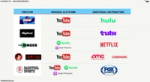
And with scale, you’ve started to see some of the biggest IP from YouTube start to “window” its content into various forms of traditional distribution. Over the past 12 months, you’ve seen Hulu license older Jesser content, Tubi commission new IP with Steven He and Mythical Entertainment, and Markiplier bring his biggest piece of IP to fans via theatrical release. Pat McAfee has been the biggest example of this in sports and something I think we’ll see more of in sports media going forward. Creators have a unique moment to “land and expand” - build fandom and audiences via digital and take that content to new homes simultaneously while traditional media (incl. streaming) is waking up to creator content.
As a newer creator, breaking through against a backdrop of i) content volume increasing ii) AI slop and iii) scaled “incumbents” is an uphill battle. We mention earlier some of the content characteristics that invoke trust, community, loyalty, etc. But in addition to that, it’s paramount to have a revenue strategy that goes beyond content. That can be a merch business, incubating a food & beverage brand, a subscription to BTS access, a series of live events. And I’d argue you should be thinking about this regardless of audience size and how early you might be in your content journey.
##
Lastly: if you’re a creator, is there an AI strategy that actually fit into any of the above? We’d argue creators and their teams should think about it more from a workflow perspective and less on output. Audiences see through the slop: if it feels lazy, your community might revolt given how omnipresent AI content can feel. That being said, using tools to supercharge your topical research, brainstorming, data gathering, etc. are a few of many valuable ways to spend pre / post production time more efficiently while still emphasizing the time actually creating the content.
We’d love to talk to you if our thesis resonates. We’re actively investing into creators and creator-adjacent businesses. If you’re a creator yourself, or an operator / advisor that works in this industry, please reach out!